Introduction
In a globe where emergency situations can occur anytime, being furnished with the skills and understanding to react successfully is vital. Whether it's a minor injury or a dangerous situation, comprehending first aid can make all the distinction. This comprehensive overview, "Grasping Emergency Reaction: The Ultimate First Aid Training Course Overview," intends to offer insights into various facets of first aid training, including CPR methods, mental health and wellness first aid, and the relevance of acquiring a first aid certificate.
So, are you all set to dive into this necessary knowledge? Let's check out the globe of emergency situation action and uncover how to end up being competent in first aid.
Understanding First Aid: What Is It?
First help refers to the prompt care given to a person experiencing a clinical emergency. This could be anything from providing CPR (cardiopulmonary resuscitation) to dealing with minor cuts and bruises. The objective of first aid is not only to maintain the person's problem up until professional clinical aid shows up but also to stop more harm.
The Relevance of First Aid Training
Why should every person go through first aid training? Well, consider this: accidents happen every day-- at home, in public rooms, and even at workplaces. By understanding first aid skills, you equip on your own and those around you.
- Quick Response: Understanding what to do in an emergency allows for quicker responses. Confidence Building: Educating increases your self-confidence when faced with clinical emergencies. Preventing Issues: Reliable first aid can protect against problems from worsening.
Types of First Aid Surges Available
There are various sorts of programs available:
- Basic First Aid Training course: Covers essential abilities required for day-to-day situations. Advanced First Aid Course: Supplies extra complex strategies appropriate for professionals. CPR and AED Training: Concentrate on cardiac emergencies and defibrillator use. Mental Wellness First Aid Training course: Addresses psychological crises.
DRSABCD: The Essential Framework for Responding
One of the most recognized structures for offering first aid is DRSABCD. Each letter represents a critical action in responding effectively.
D - Danger
Before assisting any individual, examine your environments for any kind of prospective risks that might likewise place you at risk.
R - Response
Check if the individual is responsive by delicately trembling their shoulders and asking if they're okay.
S - Send out for Help
If the person is unresponsive or needs immediate support, phone call emergency solutions immediately.
A - Airway
Ensure that the person's air passage is clear. If essential, place them properly or carry out rescue breaths if trained to do so.
B - Breathing
Check if they are breathing generally. Otherwise, start CPR immediately.

C - Circulation
Look for indications of flow such as motion or coughing. If lacking, proceed with CPR up until aid arrives.
D - Defibrillation
If offered, utilize an AED (Automated External Defibrillator) immediately if they continue to be less competent after CPR.

CPR: A Lifesaving Skill
CPR-- or Cardiopulmonary Resuscitation-- is just one of one of the most essential abilities discovered in any kind of first aid course. It's developed to preserve blood circulation and oxygenation until advanced medical care can be provided.
The Actions of CPR
Check responsiveness by touching on their shoulder. Call emergency services while evaluating breathing. Begin chest compressions at a rate of 100-120 per minute. After every 30 compressions, supply two rescue breaths if trained. Continue till professional aid arrives or you discover indicators of life.Common Myths About CPR
Many mistaken beliefs surround CPR; right here are some explanations:
- You can not injure somebody with chest compressions; it's far better than doing nothing. Rescue breaths aren't always essential; hands-only CPR can be reliable in specific situations.
Obtaining Your First Aid Certificate
Completing a licensed program not only furnishes you with crucial skills but likewise provides official recognition of your competency in first aid practices.
How Long Does a First Aid Certification Last?
Typically, a first aid certificate stays legitimate for 3 years; however, correspondence course might be recommended much more regularly based upon work environment policies or personal preference.
Where Can I Discover First Aid Courses Near Me?
Finding a reliable program usually entails browsing online platforms or going to regional community centers offering training sessions tailored to your needs-- like "first aid program near me" searches!
Mental Wellness First Aid: Addressing Mental Needs
While physical injuries usually take precedence throughout emergencies, psychological health and wellness dilemmas demand equivalent focus. Mental health first aid focuses on identifying symptoms like anxiousness strikes or extreme clinical depression and understanding how to respond appropriately.
Overview of Mental Health First Aid Training
Courses cover different topics:
- Understanding mental wellness issues Communication strategies Crisis treatment techniques
These skills can notably improve work environment safety and security and individual interactions by promoting helpful environments.
First Aid Devices Essentials
Having correct devices improves your ability to respond efficiently throughout emergency situations. Right here's a review:
|Tools|Function|| -------------------|-------------------------------------------|| Adhesive Bandages|For small cuts and abrasions|| Antibacterial Wipes|To clean wounds before clothing|| Gauze Pads|For larger wounds calling for absorption|| Disposable Handwear covers|To safeguard both -responder and client|| Scissors|Beneficial for cutting clothing or plasters|
Make certain that your local guidelines influence what devices must be consisted of in office kits!
Manual Handling Strategies in First Aid
When managing injuries requiring individual transport or activity aid, hand-operated handling methods end up being crucial parts in lowering further injury risks-- both yours and theirs!
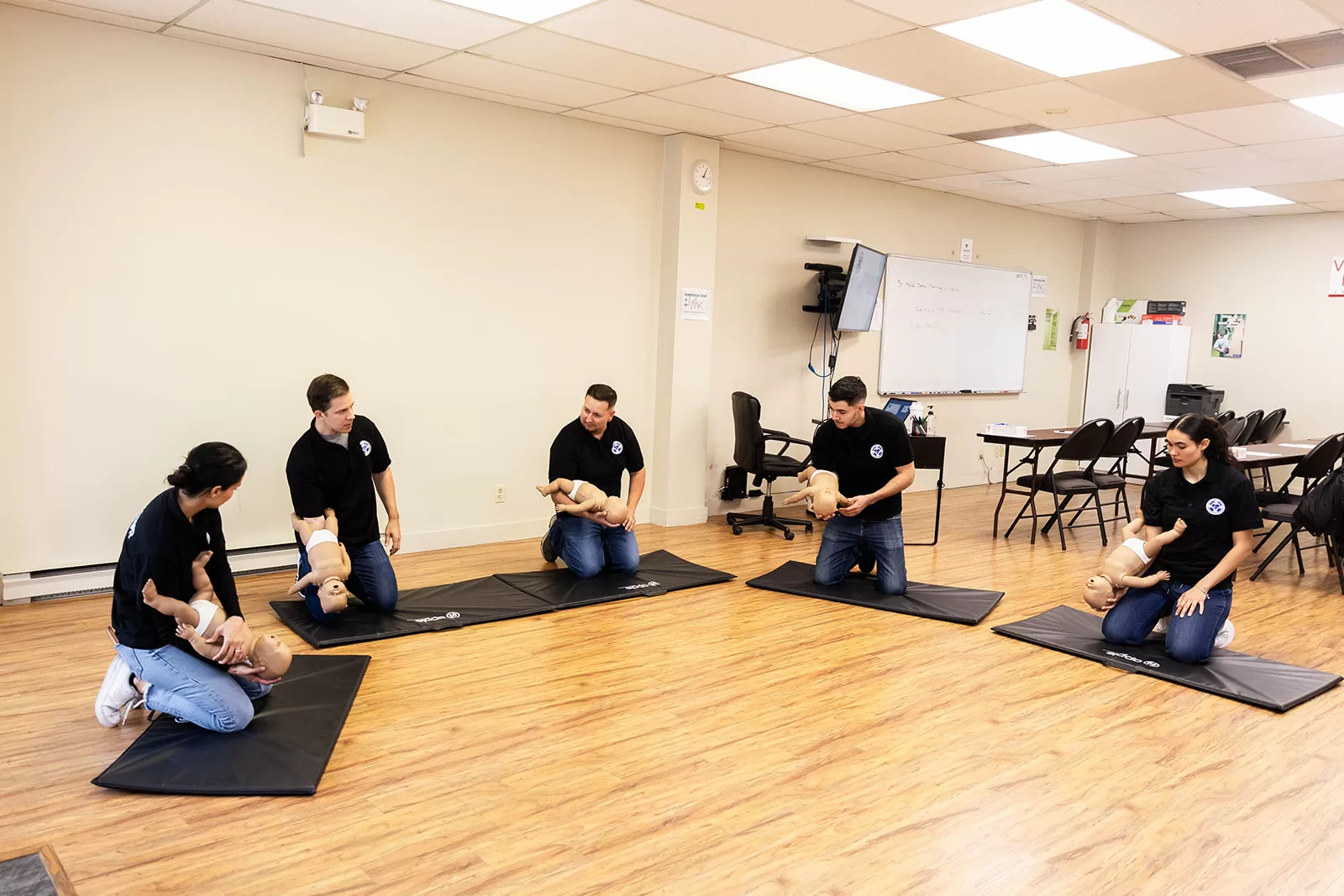
Safe Lifting Techniques
To lift securely:
Bend at your knees-- not your back. Keep your back directly while lifting utilizing leg strength. Avoid twisting during lifts; rearrange feet instead.
These methods decrease injury threats for both responders and people alike!
FAQs concerning First Aid Certification
1. What does "CPR" stand for?
Cardiopulmonary Resuscitation is an emergency situation treatment executed when someone's heart stops defeating successfully or when they quit breathing entirely.
2. How long does it require to complete a typical first aid course?
A lot of fundamental training courses last between 8-- 12 hours spread over 1 or 2 days relying on course dimension and style (in-person/online).
3. Exist cost-free on the internet first-aid training courses available?
Yes! Lots of organizations provide free resources online that cover standard principles without accreditation choices attached-- ideal for general knowledge enhancement!
4. Can I integrate my CPR training with my regular first-aid certification?
Absolutely! Numerous organizations https://trentonoheq948.almoheet-travel.com/locating-the-right-first-aid-training-course-near-you-tips-and-resources-1 offer bundled packages that include both accreditations at affordable rates contrasted independently taken classes!
5. Just how typically ought to I freshen my certification?
It's advisable every 3 years unless otherwise specified by job-related regulations within certain industries where constant updates could show valuable due progressing practices!
6. Where do I locate credible providers providing these courses?
Sites like Red Cross Australia function considerable listings allowing potential students access information about local offerings based upon location queries such as "first-aid course Brisbane" or "first-aid training Sydney NSW".
Conclusion
Mastering emergency response with reliable training isn't just crucial-- it's essential! With thorough expertise gained from training courses covering topics like DRSABCD concepts together with useful applications such as CPR strategies combined alongside mental health and wellness methods ensures readiness whenever an occurrence occurs!
Remember that education and learning does not finish upon obtaining your certificate; staying updated by means of refresher courses keeps those lifesaving skills sharp while guaranteeing readiness versus whatever obstacles come our way! So go on-- take fee today by registering into "Learning Emergency Situation Reaction: The Ultimate First Aid Program Overview"! Your future self will certainly thank you greatly when confronted with unexpected situations calling for prompt action!